



Aircraft waste reception vehicle: A new fashion in the aviation industry
Published Time:
2025-06-19
Learn about the latest developments in aircraft waste reception vehicles and their importance in the aviation industry.
Foreword
In modern aviation, environmental awareness is becoming an increasingly important topic. Against this backdrop, Aircraft Waste Collection Vehicles are undoubtedly exciting news. They not only improve waste disposal efficiency but also reflect the airlines' commitment to sustainable development.
Functions and Roles of Aircraft Waste Collection Vehicles
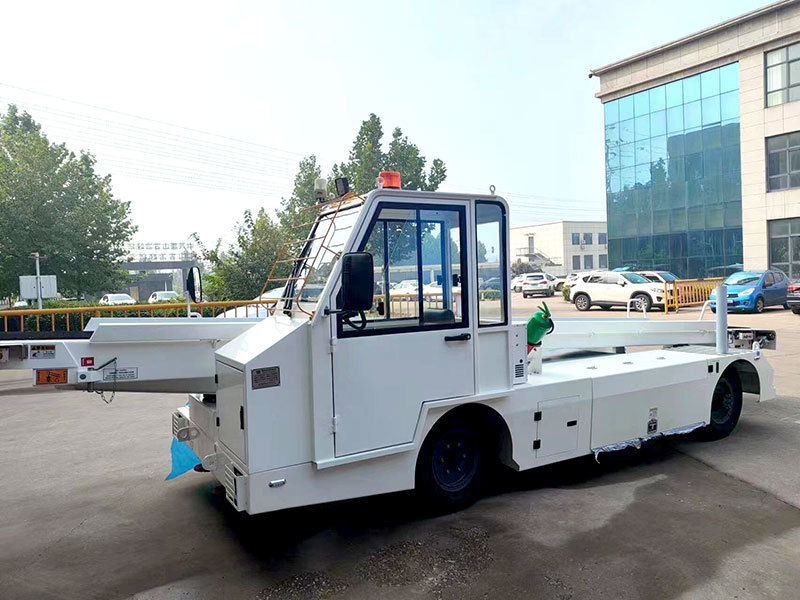
So, what exactly are aircraft waste collection vehicles? Simply put, they are vehicles specifically designed to collect and process waste generated by aircraft. Imagine the bustling airport, passengers rushing to catch their flights, while these collection vehicles quietly move between terminals, ensuring every inch of space is clean and tidy. These vehicles are truly the "unsung heroes" of airport management!
Improved Efficiency, Reduced Waste
Aircraft waste collection vehicles are designed with user-friendliness in mind, equipped with various functions. For example, they can quickly sort waste, compact discarded materials, and even have automatic cleaning functions. Through these innovations, the aviation industry not only reduces environmental pollution but also lowers operating costs to some extent! Consider that with quick cleanup, the efficiency of airport staff is naturally greatly improved.
Energy Saving and Environmental Protection, Responsible Actions
With increasing global concern over environmental issues, the aviation industry is also continuously exploring paths towards sustainable development. The promotion of aircraft waste collection vehicles is a reflection of this trend. They typically use electric or hybrid power systems, significantly reducing carbon emissions. This not only meets environmental standards but also conveys the airlines' sense of responsibility to the public.
Public Response?
The public response to the use of aircraft waste collection vehicles has also been very positive. Many passengers have expressed a sense of relief seeing these vehicles moving around the airport. This shows that airlines are not only concerned about passengers' flight experience but are also working hard to protect the environment we depend on. In short, environmental awareness is gradually being integrated into our daily travel.
Future Outlook: The Combination of Technology and Environmental Protection
Looking to the future, with continuous technological advancements, Aircraft Waste Collection Vehicles more intelligent elements may be integrated. For example, using artificial intelligence technology for waste sorting, optimizing waste processing procedures through big data analysis, etc. These new technologies can not only improve work efficiency but also further reduce the environmental impact.
Conclusion
In conclusion, the emergence of aircraft waste collection vehicles is not only a technological innovation in the aviation industry but also a reflection of responsibility. It shows us the efforts and determination of airlines in environmental protection. We hope that there will be more such innovations in the future to bring a clearer blue sky to our skies!

Contact Information
Tel: +86-315-5022323
Mobile: +86-15903252288 /18731502288
Email: dehuihangkong@163.com
Address: No. 7, Hongbei Road, Economic Development Zone, Guye District, Tangshan City, Hebei Province

Powered by: 300.cn SEO Tags | Privacy Policy